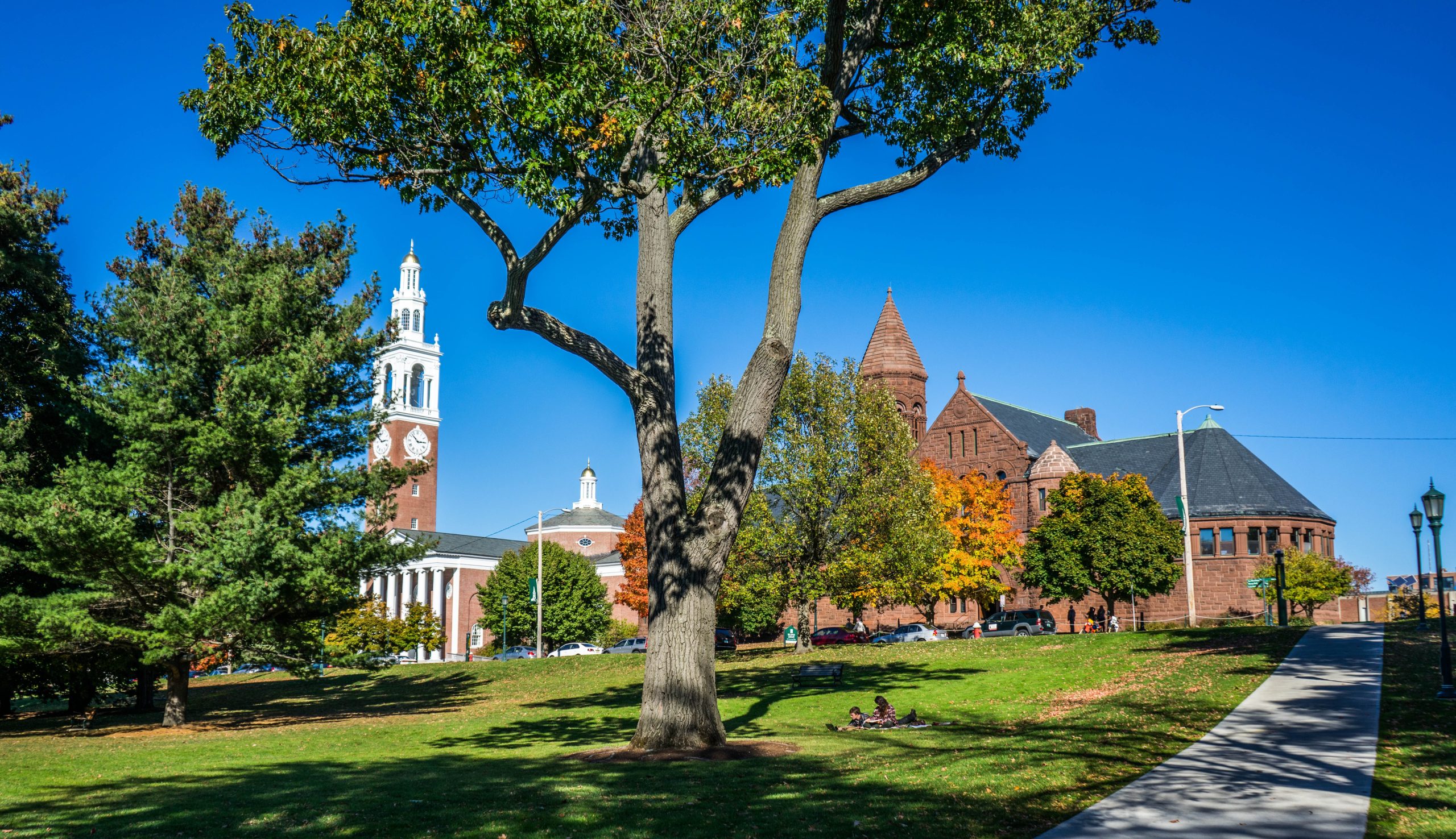
University of Vermont campus in Burlington, Vermont
Buying for a UVM Student

What should parents check before buying a Burlington condo or home for a UVM student? Look beyond price and proximity to campus. Permitted bedrooms, roommate arrangements, condominium rules, parking, rental registration, inspection requirements, ownership costs, and eventual resale can all affect whether a property actually fits your plan.

The right property should work for your student now while giving you reasonable options after graduation.

Before the Numbers

Start With How the Property Can Actually Be Used

A property may look like a good fit on paper: the right location, enough bedrooms, and space for roommates. Before building a financial plan around it, confirm that the intended use works for the property.

This is especially important with older Burlington homes, properties that have been renovated or converted over time, and homes that may eventually be used as rentals.

How many bedrooms are legally recognized?
Does the current use match City records?
Were additions or finished spaces permitted?
If there are multiple units, are they legally established?

The goal isn't simply to determine how many beds fit in the home. It's to understand what you're buying and how it can legally be used.

Burlington, Vermont waterfront
Condos

Read the Condo Documents Before You Assume You Can Rent

Condos can be appealing for UVM families because exterior maintenance and common areas are generally handled through the association. But one association can operate very differently from another.

Before relying on roommates or assuming the unit can become a rental after graduation, review the declaration, bylaws, rules, and other available association documents.

  • Are rentals permitted?
  • Is there a rental cap or minimum lease term?
  • Are there occupancy restrictions?
  • How is parking assigned?
  • What does the association fee include?
  • Are there current or anticipated assessments?

A condo can work well for the next few years and still conflict with the family's longer-term plan. That is why these questions belong in the purchase decision.

Burlington-Specific Due Diligence

Understand Burlington Rental and Occupancy Requirements

If all or part of the property will be rented, local requirements need to be part of the analysis before you buy.

Burlington currently requires applicable long-term rental properties to be registered and to complete a minimum housing inspection before a tenant moves in. Certain owner-occupied arrangements are treated differently, so requirements depend on how the property will actually be occupied.

Burlington zoning can also affect occupancy by unrelated adults. If roommates are central to the financial plan, verify that the intended arrangement works for that specific property rather than assuming that bedroom count alone determines occupancy.

Is the property currently registered as a rental?
When was the property last inspected?
Does the intended roommate arrangement work?
Are there outstanding permit or housing issues?
What parking is actually available?
Will improvements be needed before future rental use?

You can review current requirements through the City of Burlington's rental property resources .

The Financial Picture

Calculate More Than the Mortgage Payment

Comparing monthly rent with a mortgage payment is a useful starting point, but it doesn't tell you the true cost of owning the property.

A more complete budget may include:

Mortgage principal and interest
Property taxes and insurance
Condo association fees, if applicable
Utilities
Maintenance and repairs
Capital improvements
Rental compliance expenses, when applicable
Costs associated with eventually selling

Financing can also vary depending on who will own and occupy the property. Talking with a lender early can help establish the right framework before the search becomes property-specific.

Roommates + Future Rental

Be Realistic About Rental Income

Roommate income can help offset ownership costs, but the estimate should come from the market rather than from the number needed to make the purchase work on paper.

Location, permitted bedroom count, condition, parking, utilities, property type, lease structure, and current Burlington rental conditions can all influence what a room or property may realistically rent for.

It is also useful to ask whether the property would work as a conventional rental after your student graduates. Potential rental income can be part of the analysis, but it should not be treated as guaranteed.

Look Beyond Graduation

Think About Resale Before You Buy

Graduation may be several years away, but the exit strategy belongs in the initial conversation.

You may sell the property. Your student may remain in Burlington for work or graduate school. You may decide to keep it as a long-term rental. Plans can also change sooner than expected.

You don't need to predict exactly what will happen. A property that works under more than one reasonable scenario simply gives you more flexibility.

Who else is likely to want this property?
Does the location appeal beyond the student market?
Would the layout work for different buyers?
Would we still be comfortable owning it if plans changed?
Local Experience Matters

Evaluating a Burlington Property for a UVM Student

Sometimes the analysis points toward purchasing. Other times, renting is the clearer choice.

The Lipkin Audette Team has extensive experience with Burlington homes, condominiums, duplexes, and multi-family properties. We help UVM families evaluate both sides of the equation: how well a property works for a student today and what owning it could mean later.

That means looking beyond the kitchen, bedrooms, and distance to campus and considering property condition, operating costs, rental potential, local requirements, and eventual resale.

Our goal isn't simply to help you buy a property. It's to help you determine whether buying makes sense in the first place.

Members of the Lipkin Audette Team in Burlington, Vermont
UVM Housing in Burlington

Considering Buying Housing for Your UVM Student?

Let's look at the complete picture before you start narrowing the search. We can talk through your student's needs, potential roommate arrangements, your budget, and how a Burlington property might fit your longer-term plans.
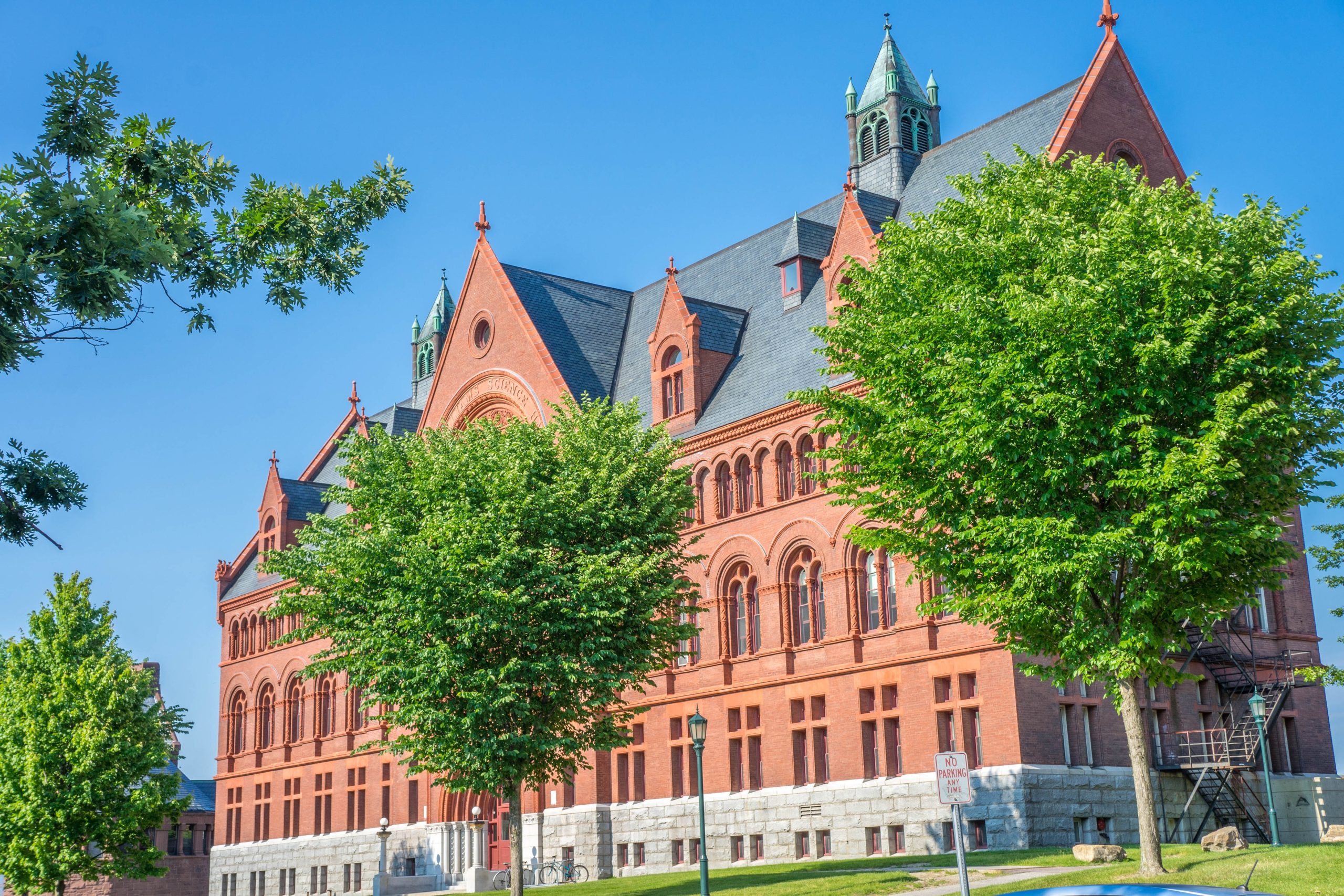
University of Vermont campus in Burlington, Vermont
UVM Off-Campus Housing

When can UVM students live off campus? UVM generally requires first-time, first-year undergraduate students to live on campus for their first four semesters. Once that requirement is complete, students can explore off-campus rentals, UVM-affiliated housing, or, for some families, purchasing a Burlington property.

If off-campus living is approaching, it helps to understand those options before the housing search becomes urgent.

Planning Ahead

When Should UVM Students Start Looking for Off-Campus Housing?

Burlington's student housing market moves on an academic calendar. Students often begin thinking about the following year's housing well before the current school year ends.

That doesn't mean you need to make a decision immediately. It does mean there is value in understanding the options before availability narrows.

How many years will my student likely remain in Burlington?
Will they live alone or with roommates?
Is walking or biking to campus important?
Will they need parking?
What would comparable rent cost?
Could purchasing be worth considering?
The Options

What Are the Main UVM Off-Campus Housing Options?

Renting an Apartment or House

For many students, renting is the simplest choice. It offers flexibility and avoids the responsibilities that come with owning a property.

UVM maintains an official off-campus housing website with rental listings, roommate resources, and other information for students looking beyond campus.

UVM-Affiliated Housing

Eligible students can also explore UVM-affiliated housing . Eligibility and availability vary, so UVM should be the source for current requirements.

Buying a Condo, Home, or Multi-Family Property

If your student will be in Burlington for several years, it may also be worth comparing several years of rent with purchasing a property.

In the right situation, a student can live in the property while roommates contribute toward expenses. When graduation arrives, the family may decide to sell or continue holding the property as a rental.

Buying is not automatically the better option. Financing, property condition, ownership costs, roommate arrangements, condominium rules, Burlington regulations, and eventual resale all matter.

University of Vermont campus and surrounding Burlington area
Burlington Housing

Where Should a UVM Student Live Off Campus?

Being close to UVM is valuable, but distance from campus isn't the only consideration.

Some students prioritize walking or biking to class. Others need parking, access to downtown Burlington, public transportation, or an easy route to work, internships, or the University of Vermont Medical Center.

If you're considering buying, it is also worth thinking beyond your student's immediate needs. Location, layout, parking, condition, and future rental or resale appeal may become important later.

A property that works for college should ideally give you options after college, too.

Before You Decide

What Should Parents Ask Before Choosing UVM Housing?

Before focusing on individual rentals or properties for sale, talk through the bigger picture:

  • When will my student be eligible to live off campus?
  • How long do we expect them to remain in Burlington?
  • Will roommates be part of the plan?
  • What is our realistic housing budget?
  • Do we want the responsibilities of property ownership?
  • Would we consider keeping a Burlington property after graduation?

Those answers can quickly narrow the field and make the housing search much more productive.

Rent or Buy?

Considering Buying Instead of Renting?

There is no single UVM housing strategy that works for every family. Sometimes renting makes the most sense. In other situations, the length of time in Burlington, available properties, roommate income, and longer-term plans make buying worth evaluating.

The Lipkin Audette Team helps UVM families look at Burlington properties through both a residential and investment lens.

That means considering how a property works for your student today while also looking at ownership costs, rental potential, local requirements, property condition, and eventual resale.

Our goal isn't simply to find you a property near UVM. It's to help you determine whether purchasing one makes sense in the first place.

Members of the Lipkin Audette Team in Burlington, Vermont
UVM Housing in Burlington

Thinking About Housing for Your UVM Student?

Whether you're comparing rentals, beginning a property search, or simply trying to understand whether buying makes sense, we're happy to be a resource.